Gooseberry
Gooseberries
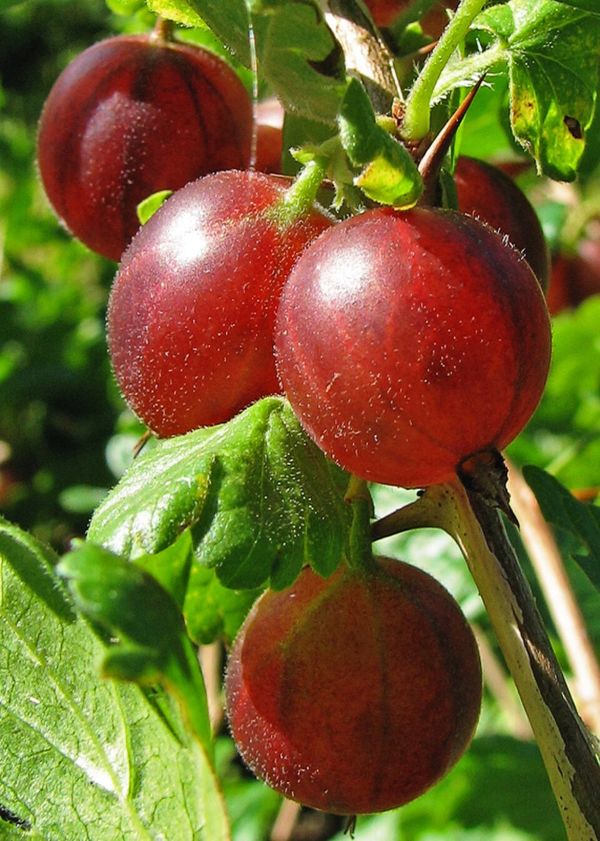
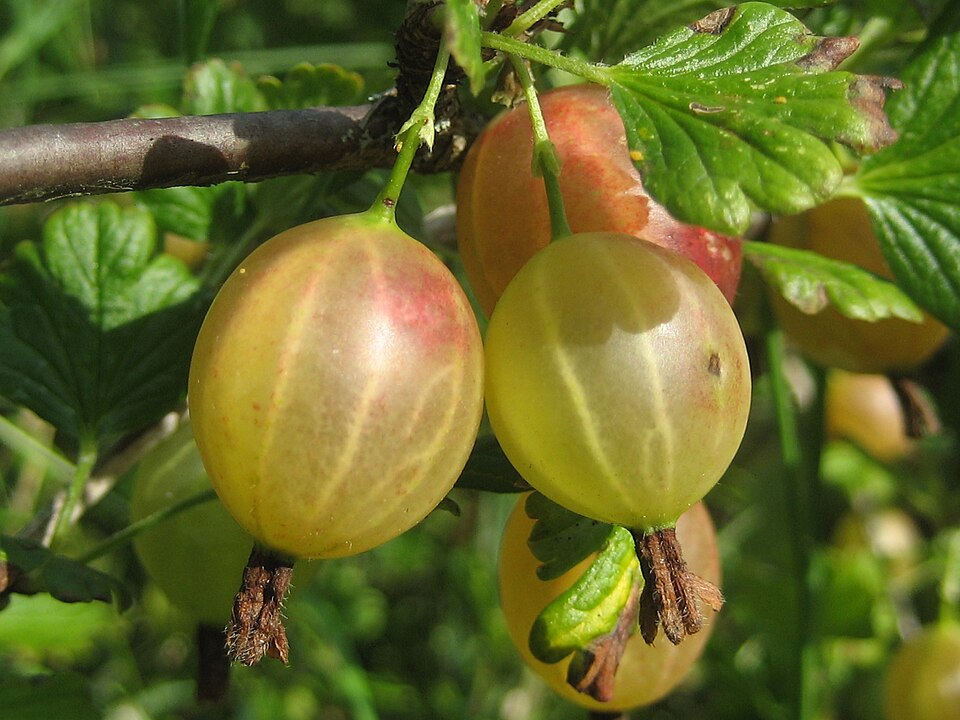
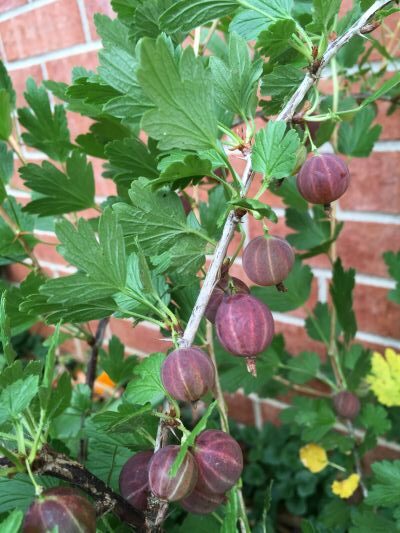
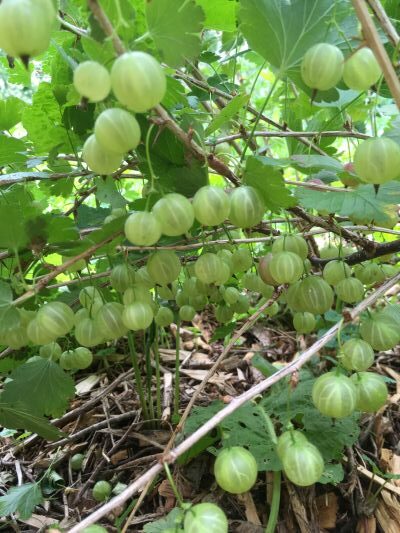
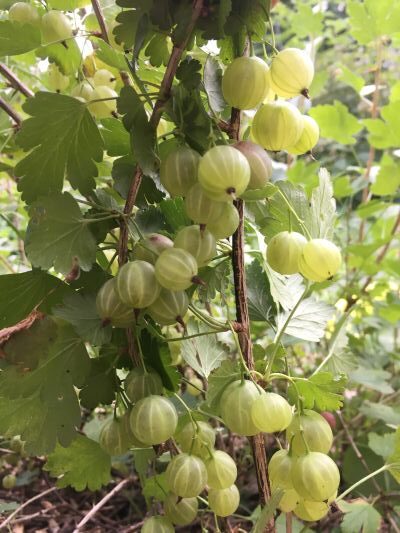
Gooseberries are productive, hardy fruiting shrubs that deserve more attention in the home garden. Their distinctive berries range from green and yellow to pink and red, depending on the variety, and offer a delicious combination of sweet and pleasantly tart flavors.
Price range: $22.99 through $29.99
Gooseberries are productive, hardy fruiting shrubs that deserve more attention in the home garden. Their distinctive berries range from green and yellow to pink and red, depending on the variety, and offer a delicious combination of sweet and pleasantly tart flavors.
Unlike many common backyard fruits, gooseberries remain relatively compact, making them an excellent choice for smaller gardens, edible landscapes, and home orchards. With proper care, established plants can produce substantial crops of berries for many years.
Gooseberries can be harvested at different stages depending on how you intend to use them. For cooking, preserves, and recipes where a more tart flavor is desirable, berries can be picked while they are still somewhat firm and under-ripe. As they mature, they become softer, sweeter, and more flavorful and can be eaten straight from the plant.
Common uses of Gooseberry include:
- Fresh eating
- Pies and tarts
- Jams and jellies
- Sauces
- Desserts
- Fruit preserves
- Baking
- Freezing for later use
- Wine and other beverages
Their natural acidity and pectin content also make gooseberries particularly well suited to preserves and jams. For this purpose, fruit is often harvested before it becomes completely ripe. They also freeze well, allowing you to preserve part of the harvest for use throughout the year.
Gooseberries offer a combination that is hard to beat for the home gardener: compact growth, attractive fruit, reliable production, and excellent culinary versatility.
Whether you’re adding one shrub to a small edible garden or establishing a larger home orchard, gooseberries are an excellent choice for anyone looking to grow something a little different.
Gooseberry Cultivars
Amish Red: A more uncommon, vigorous heirloom gooseberry that produces medium sized, deep red berries with a sweet-tart flavor. Fruits are good for fresh eating, jams and pies. Amish Red is resistant to powdery mildew. Ripens in June and July USDA Zones 4-8.
Captivator: A semi-thornless hybrid between European and American species, Captivator is a long-standing favorite among gooseberries. It bears sweet, teardrop shaped red berries that go from a pale green to a beautiful deep burgundy in mid-summer. Excellent for fresh eating or processing into jams, jellies, juice and pies. Captivator is naturally resistant to powdery mildew and leaf spot. Ripens mid summer. USDA Zones 3-8.
Hinnomaki Red: A hardy, high-yielding gooseberry from Finland, Hinnomaki Red produces medium to large oval red berries. The flavor is a perfect balance between the sweet fruit and tangy skin. This cultivar is valued for its exceptional flavor. Highly resistant to powdery mildew. Ripens mid summer. USDA Zones 3-7.
Hinnomaki Yellow: A cold-hardy, high-yielding gooseberry from Finland, Hinnomaki Yellow is best known for its sweet, aromatic golden-yellow berries that contain a special apricot-like flavor. Especially resistant to powdery mildew. Ripens mid summer. USDA Zones 3-8.
Invicta: A high-yielding European gooseberry, Invicta produces beautiful large, pale green oval berries on vigorous, spreading bushes. When fully ripened to its golden-yellow color, the flavor is sweet with a rich, tangy muskmelon or honey-apricot undertone. Strong resistence to powdery mildew. Ripens mid summer. USDA Zones 3-8.
Pixwell: Breed in the 1930s to have fewer thorns and hanging fruits that “pick well”, Pixwell is a a tough, high-yielding gooseberry. Its oval fruits turn from a light green to a lovely rosy-pink blush when ripe with a sweet, grape-like flavor. Shows strong natural resistance to powdery mildew and rust. Ripens mid summer. USDA Zones 3-8.
Pruning: Established plants should generally be pruned annually during dormancy in late winter or early spring, after the worst of the winter cold has passed but before new growth begins. (Pruning is not a science but rather a practiced art. Gooseberries will be patient and forgiving of you while you learn so do not let the need to prune dissuade you from growing this wonderful plant!)
When pruning:
- Remove dead, damaged, diseased, or weak canes.
- Remove the oldest canes at ground level as they become less productive.
- Keep a balanced framework of young, middle-aged, and older productive wood.
- Maintain an open center to improve sunlight penetration and air circulation.
- Remove branches that lie close to or drag on the ground.
- Remove overcrowded growth that causes branches to rub against one another.
A mature, well-pruned shrub will generally have approximately 9–12 healthy main canes, with several canes representing each age group.
Good pruning improves light penetration and air movement through the plant, helping maintain plant health while making harvesting easier.
Spacing: Most cultivars need 3-5 feet between bushes. Make sure to allow adequate spacing for proper airflow.
Pollination Requirements: Gooseberries are self-fertile meaning one plant is capable of setting fruit on its own. Fruit size and production will sometimes increase with cross-pollination, though it is not required.
Grown & Shipped In: 4x4x9 tree pots with advanced root systems
Shipping Season: Spring (dormant) & Autumn (not dormant) – Subject to tree availability
Beautiful Beginnings Gooseberries have highly-developed and extensive root systems that set your plant up for success from the very beginning by helping it to anchor well and grow vigorously with proper care. Plants are also grown and shipped in a way to help them handle transplant stress better and to be able to uptake nutrients more effectively.