
Pawpaws
Explore our collection of pawpaw trees, featuring a diverse selection of unique and exceptional cultivars for the home orchard and garden. From familiar favorites to hard-to-find varieties, our collection offers pawpaw enthusiasts an opportunity to grow this distinctive native American fruit at home.
Tropical
Combining the essence of a tropical paradise with the resilience of its temperate origins, the pawpaw bridges the gap between two worlds and invites you to indulge in a rich, tropical experience from the comfort of your own backyard.
Custardy
Delight in the pawpaw’s luscious, custardy texture as you savor each bite of its sweet, aromatic pulp. Whether blended into smoothies, transformed into creamy desserts, baked into breads, or enjoyed fresh off the tree, the pawpaw offers a unique, one-of-a-kind fruit experience.
Alluring
Embrace the allure of the pawpaw as it allows you to escape the ordinary through its fleeting season, evasive nature, and exotic flavor, offering a taste journey that transcends boundaries and exceeds expectations.
Historic
An invaluable guide and interpreter for Lewis and Clark during their expedition from 1804 to 1806, Sacagawea played a crucial role in helping the crew survive in unfamiliar environments. She taught them about the importance of the pawpaw, which the crew, at one point, relied heavily on for sustenance.
Shop All Pawpaw Varieties
Browse our selection of pawpaw varieties, including both well-known favorites and distinctive cultivars selected for flavor, fruit quality, productivity and performance. Each variety has its own characteristics, giving home orchard growers plenty of options to find the pawpaw best suited to their garden and growing goals.
-
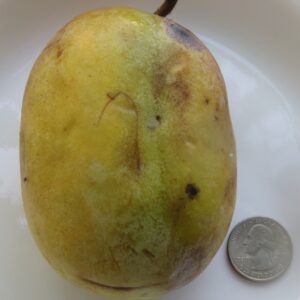 Out of Stock
Al Horn Pawpaw
Price range: $59.99 through $124.99 -
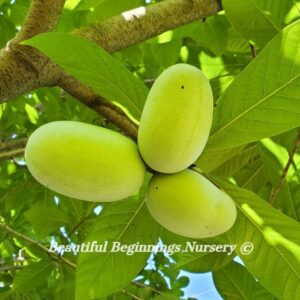 Out of Stock
Asterion Pawpaw
$59.99 -
 Out of Stock
Atria Pawpaw
Price range: $54.99 through $124.99 -
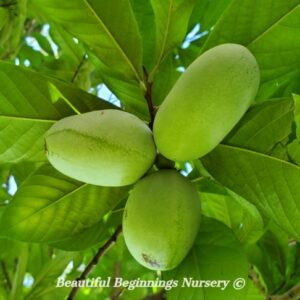
Benny’s Favorite Pawpaw
Price range: $59.99 through $84.99 -
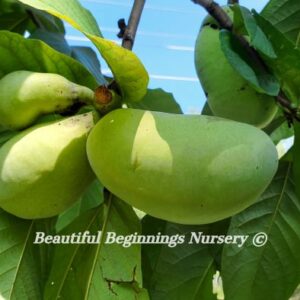 Out of Stock
Canopus Pawpaw
Price range: $59.99 through $84.99 -
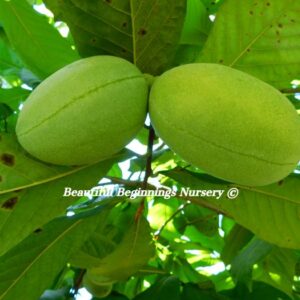 Out of Stock
Cantaloupe Pawpaw
$74.99 -
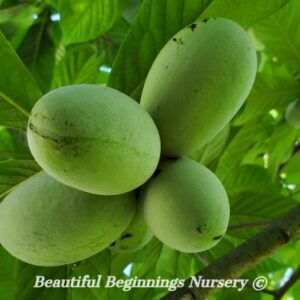 Out of Stock
Caspian Pawpaw
$74.99 -
Green River Belle Pawpaw
Price range: $59.99 through $84.99 -
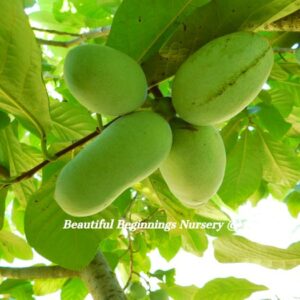
Halvin Pawpaw
Price range: $59.99 through $84.99 -

Honeydew Pawpaw
Price range: $59.99 through $124.99 -

IXL Pawpaw
Price range: $59.99 through $124.99 -
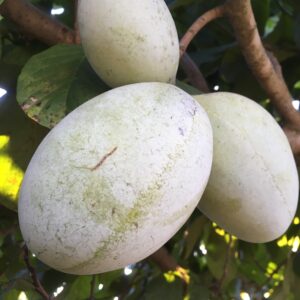
Jerry’s Big Girl Pawpaw
Price range: $59.99 through $124.99 -
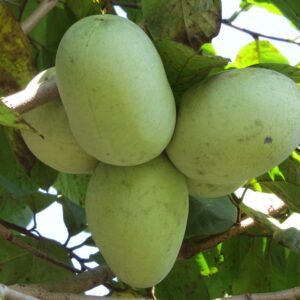
KSU Atwood™ Pawpaw
Price range: $59.99 through $124.99 -
 Out of Stock
KSU Benson™ Pawpaw
Price range: $59.99 through $124.99 -
 Out of Stock
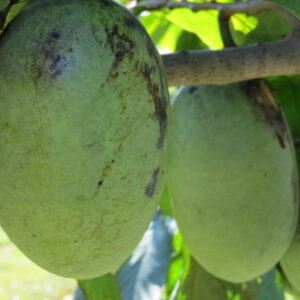
KSU Chappell™ Pawpaw
Price range: $59.99 through $124.99 -
Out of Stock
KSU Dunnigan (7-1) Pawpaw
Price range: $59.99 through $84.99 -
Out of Stock
KSU Pomper’s Choice (1-4) Pawpaw
Price range: $59.99 through $84.99 -

KY Champion Pawpaw
Price range: $59.99 through $124.99 -

KY Legend (Titan) Pawpaw
Price range: $59.99 through $124.99 -
Lehman’s Delight (275-48)
Price range: $59.99 through $84.99 -
Lehman’s Legacy #3
Price range: $59.99 through $84.99 -
Out of Stock
Mammoth X Pawpaw
Price range: $74.99 through $84.99 -

Maria’s Joy (166-13) Pawpaw
Price range: $59.99 through $124.99 -

Marshmallow Pawpaw
Price range: $59.99 through $124.99 -
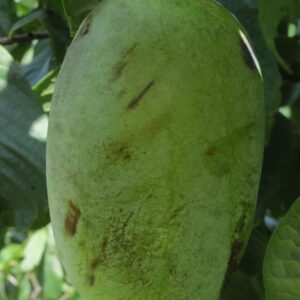
NC-1 Pawpaw
Price range: $59.99 through $124.99 -
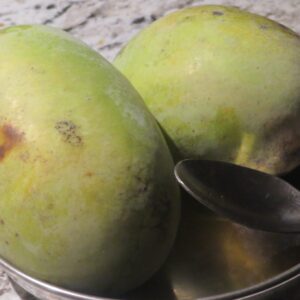
Nyomi’s Delicious Pawpaw
Price range: $59.99 through $84.99 -

Overleese Pawpaw
Price range: $59.99 through $114.99 -
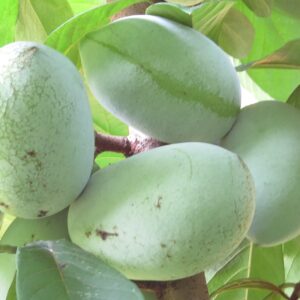 Out of Stock
Prima 1216 (‘Prima’) Pawpaw
Price range: $59.99 through $124.99 -
Quaker Delight Pawpaw
Price range: $59.99 through $84.99 -
Ralph’s Whopper Pawpaw
Price range: $59.99 through $84.99 -
Regulus Pawpaw
Price range: $59.99 through $74.99 -
SAA Overleese Pawpaw
Price range: $59.99 through $74.99 -
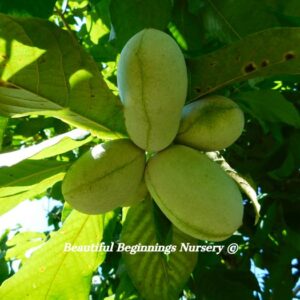 Out of Stock
Summer Delight Pawpaw
Price range: $59.99 through $84.99 -
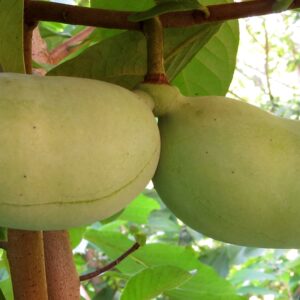
Taytwo (Taytoo) Pawpaw
Price range: $59.99 through $84.99 -

Tropical Treat Pawpaw
Price range: $59.99 through $84.99 -

Valley East (VE-21) Pawpaw
Price range: $59.99 through $124.99 -
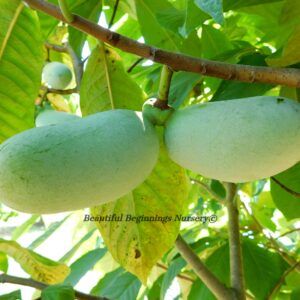
Windstar Pawpaw
Price range: $59.99 through $84.99
If you love pawpaws, you’ll love these!
FAQ
What does a pawpaw taste like?
Pawpaw fruit has a creamy, custard-like texture and a complex tropical flavor. People commonly describe the flavor as a combination of banana, mango, pineapple, melon, or other tropical fruits. Flavor can vary considerably among cultivars, which is part of what makes growing different named varieties so interesting.
How can I tell when a pawpaw is ripe?
A ripe pawpaw becomes noticeably soft when gently pressed, much like a ripe peach or avocado. Ripe fruit also develops a strong, sweet fragrance. Skin color alone isn’t always a reliable indicator of ripeness, so softness and aroma are better guides.
Do I need two pawpaw trees to get fruit?
Yes, planting two genetically different pawpaw trees is recommended for reliable fruit production. Pawpaws are generally self-incompatible, meaning a tree normally needs pollen from a genetically different tree for fruit set. Two different named cultivars or two genetically different seedling trees can provide compatible pollen.
Will pawpaws grow in my area?
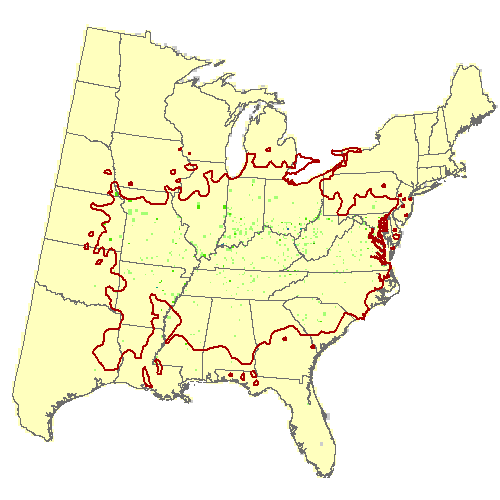
Pawpaws are native to much of the eastern United States and are generally suited to USDA Zones 5–8, although conditions within those zones can vary. They prefer deep, fertile, well-drained soil with adequate moisture. When choosing a planting site, consider drainage, sunlight, and local winter and spring conditions.
How long does it take a pawpaw tree to produce fruit?
The time to fruit depends on whether the tree is grafted or grown from seed, as well as the cultivar and growing conditions. Grafted pawpaw trees can begin producing fruit considerably sooner than seedlings; Penn State Extension notes that grafted trees may fruit in two to three years, while seedlings can take much longer. Good site preparation and consistent care help young trees become established.
Growing Tips for Success
Pawpaws Grow Great Here!
%