Che
Discover the unique Che fruit tree, a distinctive and productive addition to the home orchard. Known for its attractive foliage, unusual fruit, and adaptability, Che offers gardeners an opportunity to grow something truly different while enjoying a flavorful fruit with a fascinating history.
Unique
An unusual fruit tree that stands out in both the landscape and the orchard, producing distinctive fruit and attractive foliage. It is an excellent choice for gardeners looking to grow something beyond the familiar fruit tree selections.
Sweet
The fully ripe fruit is sweet, juicy, and distinctive, with flavor descriptions ranging from watermelon and fig-like notes to cantaloupe and berry characteristics depending on the cultivar. Allowing the fruit to become fully ripe is important for the best flavor.
Adaptable
A versatile tree that can perform well in a variety of garden and orchard settings. It has few serious pest or disease problems and is tolerant of heat and periods of drought once established, making it an appealing choice for growers looking for a low-maintenance and resilient fruit tree.
Heritage
Long valued in China and other parts of Asia, this unusual fruit tree has been cultivated as both a fruiting tree and an ornamental plant. Its heritage and distinctive characteristics make it an intriguing addition for gardeners who enjoy growing uncommon and time-tested fruit trees.
Shop All Che Varieties
Browse our selection of Che varieties, including distinctive cultivars selected for fruit quality, flavor, productivity, and performance. Each variety has its own characteristics, giving home orchard growers options for finding a Che suited to their growing conditions and goals.
If you love Che, you’ll love these!
FAQ
What is a Che fruit tree?
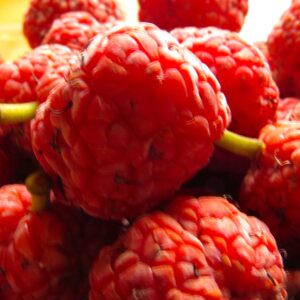
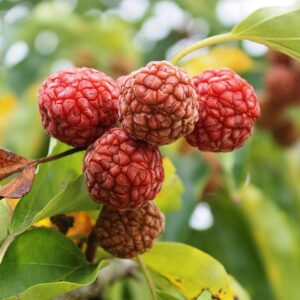
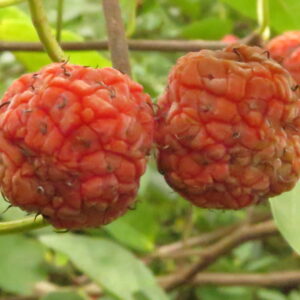
Che, also known as Chinese Che, Chinese Mulberry, Cudrang, or Mandarin Melon Berry, is an uncommon fruit tree native to China and related to the mulberry. It produces distinctive round fruits that mature to shades of red and maroon and are valued for their sweet flavor.
What does Che fruit taste like?
Fully ripe Che fruit is sweet and juicy, with flavor often compared to watermelon, fig, melon, or a combination of these flavors. Individual cultivars can have their own distinct flavor characteristics.
Do I need a male Che tree to get fruit?
Not necessarily. The Che species normally has separate male and female plants, but certain female cultivars can produce seedless fruit without a male pollinator. Darrow, Norris, and Edible Landscaping Seedless are among the seedless selections available to home growers. In some climates, particularly cooler areas, additional pollination may still improve fruit set or ripening.
When does Che fruit ripen?
Che fruit generally ripens in the fall, although the exact timing depends on the cultivar and growing conditions. Ripe fruit darkens toward red or maroon, becomes soft, and separates easily from the branch.
How large does a Che tree get?
Mature size can vary depending on the cultivar, rootstock, growing conditions, and pruning. Che can develop into a small tree or large shrub, so provide adequate space when planting and use pruning to maintain a manageable size when needed.
Is Che difficult to grow?
Che is considered a relatively low-maintenance fruit tree once established. It tolerates a range of conditions, including periods of drought, and has relatively few pest problems. Full sun, well-drained soil, adequate moisture during establishment, and enough room to grow will help support healthy plants and good fruit production.
Does Che have thorns?
Some Che trees can have sharp thorns, particularly on young growth. Thorniness can be reduced or absent on some mature branches and grafted plants, depending on the cultivar and plant. If harvesting access is important, consider the characteristics of the specific variety when selecting a tree.
Growing Tips for Success
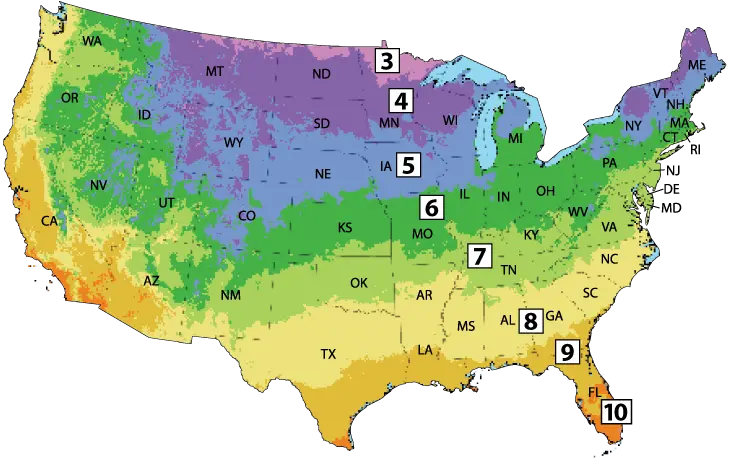
Che Grows Great in Zones 5-9!
%