Persimmons
Explore our collection of American persimmon trees, featuring a diverse selection of unique and exceptional cultivars for the home orchard and garden. From early-ripening favorites to hard-to-find varieties, our collection offers persimmon enthusiasts an opportunity to grow this distinctive native American fruit at home.
Native
Rooted in the American landscape, the persimmon is a distinctive native fruit tree with a long history across the eastern United States. Its adaptability, beautiful fall color, and unique fruit make it a rewarding addition to the home orchard and garden.
Sweet
When fully ripe, American persimmons offer a rich, naturally sweet flavor with a soft, luscious texture unlike most other tree fruits. Each cultivar brings its own combination of sweetness, fruit size, texture, and flavor for you to discover and enjoy.
Autumnal
Persimmons bring beauty to the orchard long before their fruit reaches the table. Their brilliant autumn foliage and colorful fruit create a striking seasonal display, making these trees as appealing in the landscape as they are productive in the orchard.
Abundant
With the right variety and growing conditions, persimmon trees can reward you with generous crops of delicious fruit. Our collection includes cultivars selected for qualities such as productivity, fruit size, ripening time, and performance in different growing regions.
Looking for a Different Variety?
Don’t see the variety you’re looking for? Check back later this autumn when our winter sales open for bare-root trees shipping in Spring 2027. Additional varieties will be added to our seasonal bare-root selection.
Shop All Persimmon Varieties
Browse our selection of American persimmon varieties, including well-known favorites and distinctive cultivars selected for flavor, fruit quality, productivity, ripening time, and performance. Each variety has its own characteristics, giving home orchard growers plenty of options to find the American persimmon best suited to their garden and growing goals.
-
 Out of Stock
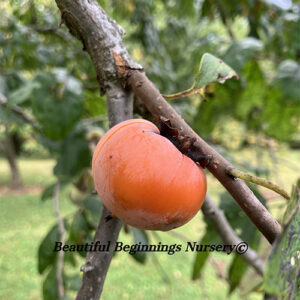
Barbara’s Blush American Persimmon (WS8-10)
Price range: $54.99 through $74.99 -
 Out of Stock
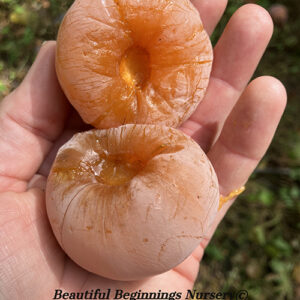
DEC Goliath American Persimmon
Price range: $54.99 through $74.99 -
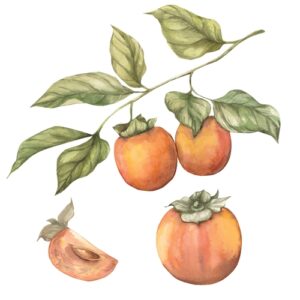
DEC King Krimson American Persimmon
Price range: $54.99 through $64.99 -
DEC Wannabe #3
Price range: $54.99 through $74.99 -
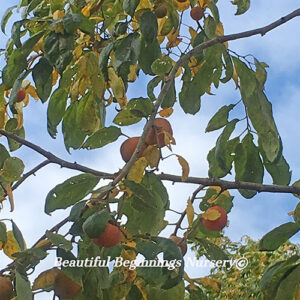 Out of Stock
Deer Candy American Persimmon
Price range: $54.99 through $74.99 -
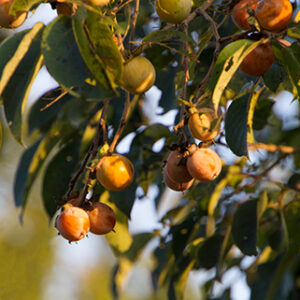 Out of Stock
Deer Magnet American Persimmon
-
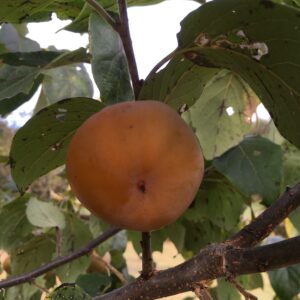 Out of Stock
Dollywood American Persimmon
$54.99 -
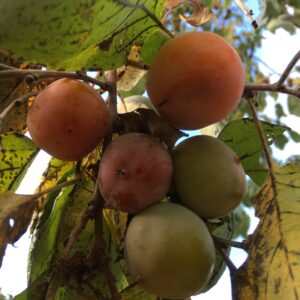 Out of Stock
Early Golden American Persimmon
Price range: $54.99 through $74.99 -
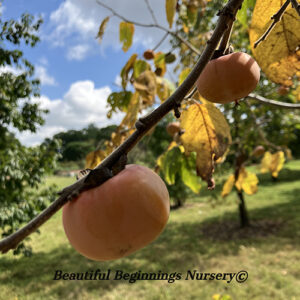 Out of Stock
Early Jewel (H-118) American Persimmon
$54.99 -
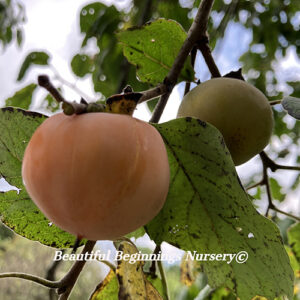
Elmo American Persimmon
Price range: $54.99 through $64.99 -
Out of Stock
H63A (Paradise) American Persimmon
Price range: $54.99 through $74.99 -
Jenny’s Early American Persimmon
Price range: $54.99 through $74.99 -
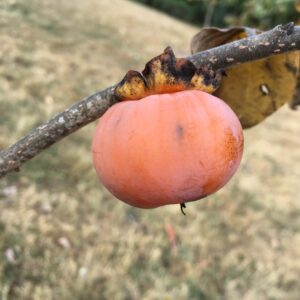 Out of Stock
Lehman’s Delight American Persimmon
Price range: $54.99 through $74.99 -
Mohler American Persimmon
Price range: $54.99 through $74.99 -
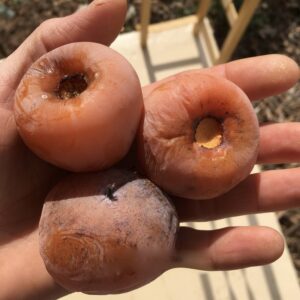 Out of Stock
Prok American Persimmon
$54.99 -
U20A (Celebrity) American Persimmon
Price range: $54.99 through $74.99 -
 Out of Stock
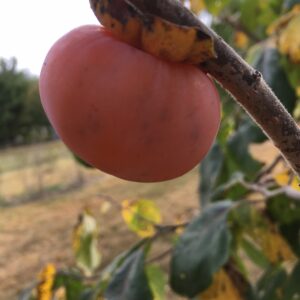
Valeene Beauty American Persimmon
Price range: $54.99 through $74.99 -
 Out of Stock
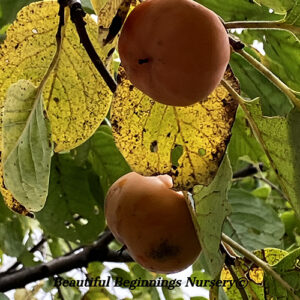
Yates/Juhl American Persimmon



FAQ
What does American persimmon taste like?
When fully ripe, American persimmons have a rich, sweet flavor and soft, smooth texture. The flavor can vary among cultivars, with some offering particularly sweet, rich, or complex fruit. An unripe American persimmon can be strongly astringent, so the fruit should be allowed to ripen fully before eating.
How do you eat an American persimmon?
American persimmons are often eaten fresh once they are fully ripe and soft. The ripe pulp can be eaten with a spoon or used in baked goods, desserts, preserves, beers and other recipes. Because the texture becomes very soft when ripe, some people prefer to scoop the pulp directly from the skin.
When do American persimmons ripen?
American persimmons generally ripen in the fall, but the exact timing varies by cultivar, growing region, and weather. Some varieties ripen earlier than others, which is one reason cultivar selection can be important when planning a home orchard. Fruit is typically ready when it has developed its characteristic color and has softened substantially.
Do American persimmon trees need a pollinator?
It depends on the cultivar and the tree’s sex expression. American persimmon trees can produce male or female flowers, while some trees may produce both. Some cultivars can produce fruit without a separate pollinating tree, while others may benefit from a compatible pollinator. Check the information for the specific cultivar you’re considering when deciding whether you need more than one tree.
How long does it take an American persimmon tree to produce fruit?
The time to first fruit varies by cultivar, tree age, growing conditions, and how quickly the tree becomes established after planting. Grafted named cultivars can generally fruit earlier than trees grown from seed, but there is considerable variation. Providing good growing conditions and choosing a cultivar suited to your site can help set the tree up for productive growth.
Are American persimmons cold hardy?
American persimmons are generally quite cold hardy, but hardiness can vary among cultivars and growing conditions. When choosing a tree, consider the climate where you will be planting and look at the specific characteristics of the cultivar. Our collection includes selections with different growing characteristics, making it worthwhile to choose a variety suited to your region.
Growing Tips for Success
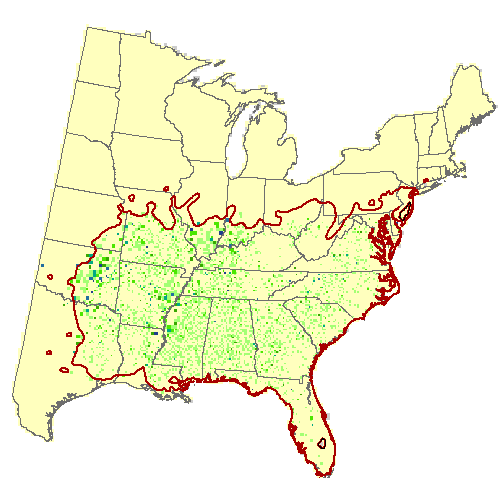
Persimmons Grow Great Here!
%