
Elderberries
Explore our collection of elderberry plants, featuring distinctive cultivars selected for fruit quality, productivity, and performance in the home garden and orchard. From established favorites to exceptional selections, our collection offers gardeners an opportunity to grow these versatile native fruiting shrubs at home.
Easy To Grow
Elderberries are adaptable, vigorous shrubs that can be relatively easy to grow when planted in suitable conditions. With adequate moisture, sunlight, and room to develop, established plants can produce abundant crops with relatively little specialized care.
Versatile
Elderberries are remarkably versatile, with both the flowers and cooked berries used in a variety of culinary and traditional preparations. The flowers can be used in teas, cordials, and other preparations, while the berries are commonly used for jams, jellies, syrups, juices, pies, and wine.
Medicinal
Elderberry has a long history of being used all over Europe and North America for its immune boosting and anti-viral properties. It is such a powerful immune supplement that it is commonly added to many over-the-counter cold and flu medicines today.
Beneficial
Elderberries can provide benefits beyond their fruit. Their abundant flowers attract pollinators, while the mature berries provide a food source for birds and other wildlife. Their vigorous, bushy growth can also make them useful as an informal screen or naturalized planting.
Shop All Elderberry Varieties
Browse our selection of elderberry varieties, including distinctive cultivars selected for fruit quality, productivity, and performance. Each variety has its own characteristics, giving home gardeners options for finding an elderberry suited to their growing conditions and goals.
-
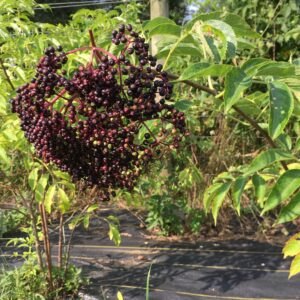
Bob Gordon Elderberry (Sambucus canadensis)
Price range: $24.99 through $32.99 -
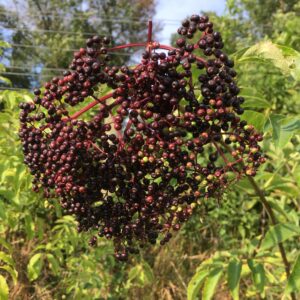
Marge Elderberry
Price range: $24.99 through $32.99 -
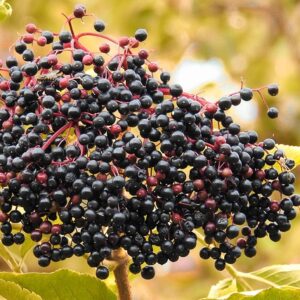 Out of Stock
Nova Elderberry (Sambucus canadensis)
Price range: $24.99 through $44.99 -
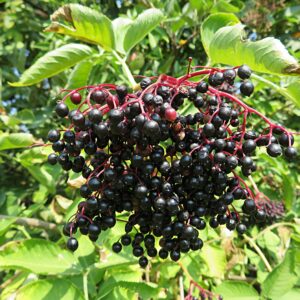
Ranch Elderberry (Sambucus canadensis)
Price range: $24.99 through $32.99 -
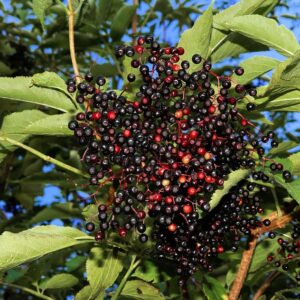
Wyldewood Elderberry (Sambucus canadensis)
$24.99
If you love elderberries, you’ll love these!


FAQ
Do I need two elderberry plants to get fruit?
Elderberries are partially self-fruitful, but planting two or more compatible cultivars is recommended for better pollination and larger harvests.
Are elderberries safe to eat raw?
No. Raw or unripe elderberries should not be eaten. Elderberries contain naturally occurring compounds that can cause digestive upset, particularly in raw or improperly prepared fruit. The berries should be fully ripe and thoroughly cooked before consumption, and the stems, leaves, and other plant parts should not be eaten.
When are elderberries ripe?
Elderberries generally ripen in summer, although the exact timing varies by cultivar and growing conditions. Ripe berries develop their characteristic dark color and are typically harvested as full clusters. Watch the plants closely as they approach maturity because birds can also be attracted to ripe elderberries.
How long does it take elderberries to produce fruit?
Elderberries can begin producing after becoming established, but the timing varies with the age of the plant, cultivar, and growing conditions. Young plants may produce a lighter crop before reaching their full productive potential. It is highly recommended to pinch off flowers the first season it produces them to encourage root growth. Doing so will pay dividends in the life-long production of the plant. Providing adequate sunlight, moisture, and appropriate pruning can support healthy fruit production.
How large do elderberry plants get?
Elderberries are vigorous shrubs, and mature size varies among cultivars. Many cultivated elderberries can reach several feet in height and width, so allow adequate room when planting. Check the mature characteristics of the specific variety when planning your planting location.
What can I make with elderberries?
Cooked elderberries can be used in a variety of foods and beverages, including jams, jellies, syrups, pies, juices, and wines. Their deep color and distinctive flavor also make them useful for a variety of preserved and processed foods.
Growing Tips for Success
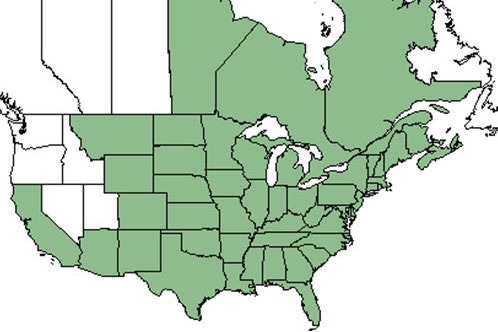
Elderberries Grow Great Here!
%