
Figs
Explore our collection of fig trees, featuring distinctive cultivars selected for fruit quality, flavor, and performance in the home garden and orchard. From well-known favorites to exceptional varieties, our collection offers fig enthusiasts an opportunity to grow and enjoy fresh, flavorful fruit at home.
Sweet
Fresh figs are prized for their naturally sweet flavor and soft, rich texture. Flavor and fruit characteristics can vary among cultivars, giving growers an opportunity to discover different types of figs for fresh eating and preserving.
Productive
Established fig trees can produce good crops when grown in suitable conditions. Depending on the cultivar and climate, figs may produce one or two crops, although the timing and size of those crops can vary.
Ornamental
Fig trees bring a distinctive, tropical appearance to the landscape with their large, deeply lobed leaves. Even when grown primarily for fruit, their foliage can add visual interest to the garden.
An Ancient Superfruit
Figs have been cultivated for thousands of years and are among the oldest domesticated fruit crops known to us. They have played an important role in the food and agriculture of cultures throughout the Mediterranean and Middle East, and their long history of cultivation continues today in home gardens around the world.
Shop All Fig Varieties
Browse our selection of fig varieties, including distinctive cultivars selected for flavor, fruit quality, productivity, and cold-hardiness characteristics. Each variety has its own qualities, giving home gardeners options for finding a fig suited to their growing conditions and goals.
-
Abou George Fig
$54.99 -
Brooklyn Dark Fig
$42.99 -
Brooklyn White Fig
$42.99 -
Out of Stock
Bryant Dark Fig
Price range: $42.99 through $49.99 -
Chicago Hardy Fig
$42.99 -
Col de Dame Noir Fig
Price range: $42.99 through $54.99 -
Gino’s Black Fig
$42.99 -
Latterula (Italian Honey) Fig
$42.99 -
LSU Gold Fig
$42.99 -
LSU Purple Fig
$42.99 -
LSU Thiloadoux Fig
$54.99 -
Malta Black Fig
$49.99 -
Marseilles Black Fig
$42.99 -
Out of Stock
Olympian Fig
$42.99 -
Ronde de Bordeaux Fig
$42.99 -
Saidnaya White Fig
$47.99 -
Out of Stock
Sals Fig
Price range: $59.99 through $84.99 -
Out of Stock
Smith Fig
Price range: $69.99 through $84.99 -
Sucrette Fig
Price range: $42.99 through $49.99 -
Out of Stock
Sunfire Fig
Price range: $54.99 through $79.99 -
Syrian Dark Fig
$42.99 -
Vern’s Brown Turkey Fig
$37.99 -
Violette de Bordeaux Fig
$42.99 -
Viollete Daphine Fig
$42.99 -
Yellow Long Neck Fig
$42.99
If you love Figs, you’ll love these!
FAQ
Do I need two fig trees to get fruit?
None of the cultivars that Beautiful Beginnings Nursery carries need cross-pollination from a second cultivar. One tree, by itself, will produce a full crop of fruit.
When are figs ripe?
Ripe figs become soft and typically begin to droop from the stem. The color of ripe fruit varies by cultivar, so softness, drooping, and the overall appearance of the fruit are better indicators than color alone. Harvest ripe figs gently because they are delicate and highly perishable.
How long does it take a fig tree to produce fruit?
The time to fruiting varies with the cultivar, age and growing conditions of the tree. Young figs need time to become established, and winter injury or excessive pruning can delay production. Good sunlight, adequate moisture, and appropriate care help support fruit production.
How cold hardy are fig trees?
Cold hardiness varies among fig varieties. Some cultivars are better suited to colder climates than others, and even a relatively cold-tolerant fig can experience winter damage during severe weather. Choose a cultivar appropriate for your growing conditions and provide winter protection when needed.
How should I protect my fig tree in winter?
Winter protection depends on the cultivar and your local climate. Planting in a protected location, using mulch around the base, and protecting dormant plants from severe cold can help reduce winter injury. In areas where figs regularly experience significant winter damage, growing the plant as a low, multi-stemmed bush can also make winter protection easier.
Growing Tips for Success
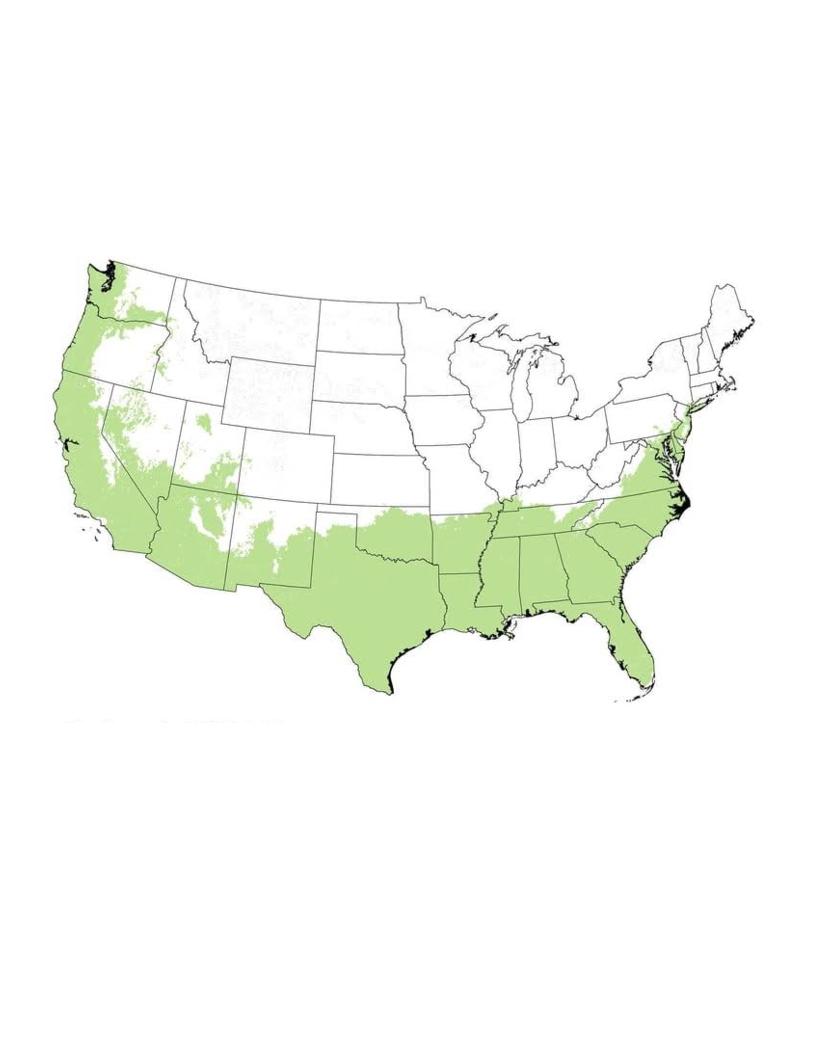
Figs Grow Great Here!
%