Norris Che
A Rediscovered Treasure
Found in Tennessee in an abandoned orchard from the 1930’s, Norris Che delights with its watermelon flavor and fig-like overtones.
Price range: $44.99 through $54.99
A Rediscovered Treasure
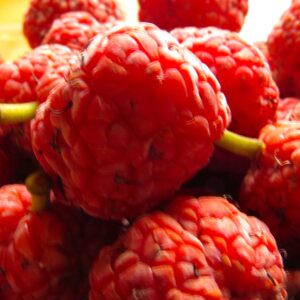
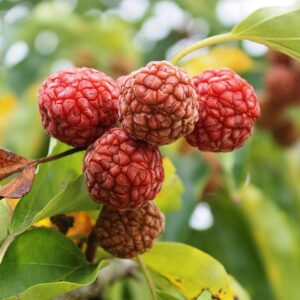
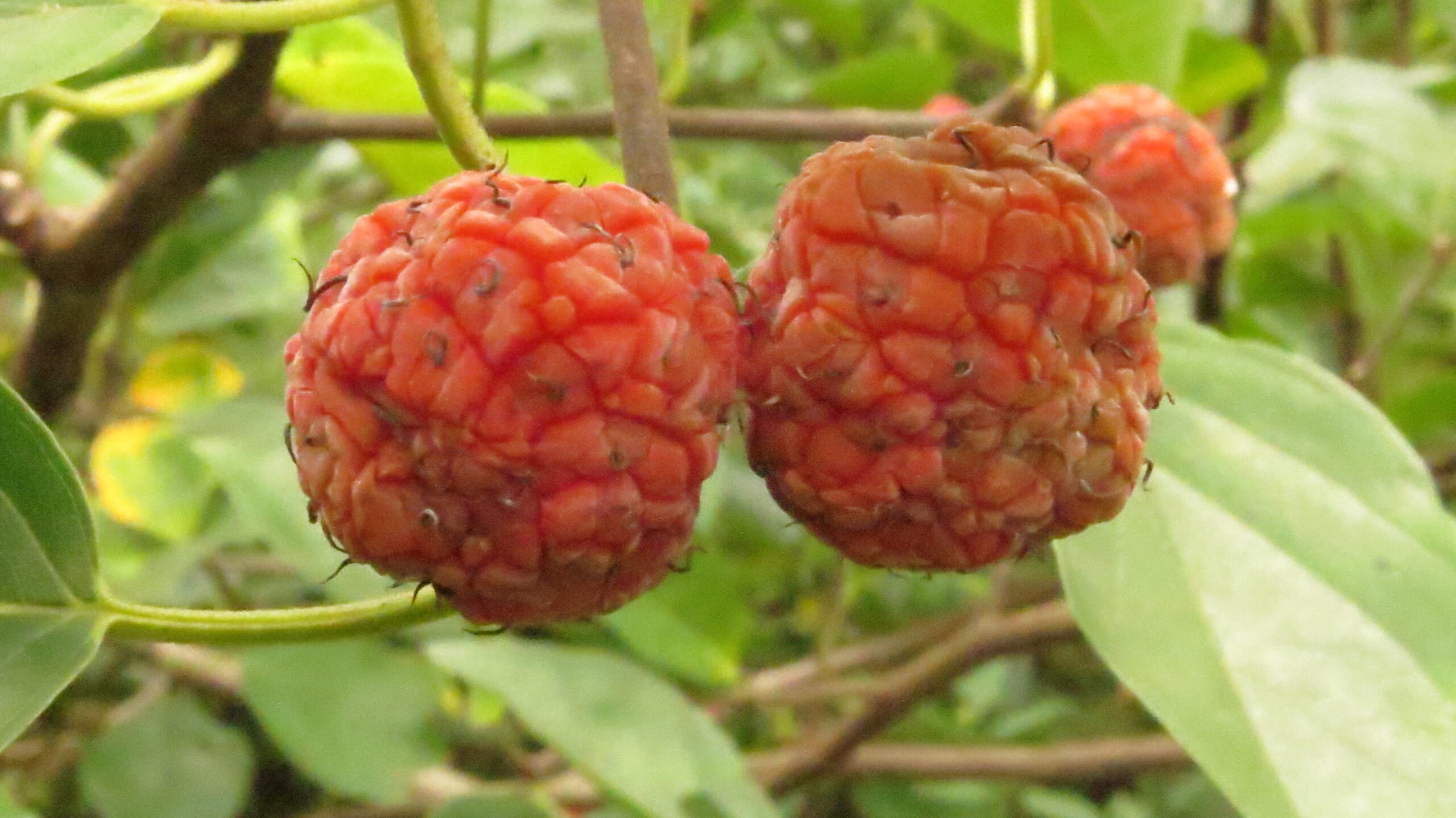
Norris is a rare female selection of Che (Maclura tricuspidata) discovered by nurseryman Cliff England at an orchard established in the 1930s near the TVA’s Norris Dam in Tennessee. It is a productive tree that bears abundant, nickel-sized fruit that ripens from maroon-red to deep red. When fully ripe and soft, the fruit has a sweet, distinctive flavor often described as a combination of fig and watermelon. Norris is self-fruiting and can produce seedless fruit without a male pollinator. The fruit is excellent for fresh eating and is prized for its unusual flavor. Hardy to USDA Zone 5b; best fruit production occurs in areas with long, warm summers.
About Che:
Known also as silkworm thorn or mandarin melon berry, Che is an uncommon fruit tree native to eastern Asia, specifically China and the sub-Himalayas. It is closely related to figs and mulberries. Historically, it was used as a backup crop to feed silkworms when mulberry leaves were in short supply and the fruit has been grown, eaten and used as medicine in Asia for centuries. Che found its way to Europe in the mid-late 1800’s and by 1912, it was being sold in the United States by a nursery in Georgia.
It is highly drought-tolerant and naturally free of pests and diseases when grown in the USA. The fruits mature into a beautiful bright pinkish-red and look like a cross between a mulberry and a lychee. The flavor is extremely sweet and is often described as a blend of watermelon, fig and mulberry. Fruits should only be picked when red and soft, which happens from September to October. Young branches are known to have small thorns that eventually fall off by the time the branch is old enough to bear fruit so the thorns are not that big of a consideration and could actually serve to help deter deer from eating the tree while young.
Though it has been grown in the States for over a 100 years, Che remains an uncommon and largely unknown fruit that deserves more attention for its beauty, easy-of-growth and delicious, healthy fruit.
Also known as silkworm thorn or mandarin melon berry, Che is an uncommon fruit tree native to eastern Asia, specifically China and the sub-Himalayas. It is closely related to figs, mulberries, and Osage orange. Historically, it was used as a backup crop to feed silkworms when mulberry leaves were in short supply. The unique fruit has been grown, eaten, and used as medicine in Asia for centuries. Che found its way to Europe in the mid-to-late 1800s, and by 1912, it was being sold in the United States by a nursery in Georgia.
It is highly drought-tolerant and naturally free of pests and diseases when grown in the USA. The fruits mature into a beautiful bright pinkish-red and look like a cross between a mulberry and a lychee. The flavor is extremely sweet and is often described as a blend of watermelon, fig, and mulberry. Fruits should only be picked when red and soft, which generally happens from September to October. Young branches are known to have small thorns that eventually fall off by the time the branch is old enough to bear fruit, so the thorns are not much of a consideration and could actually help deter deer from eating the tree while young.
Though it has been grown in the United States for over 100 years, Che remains an uncommon and largely unknown fruit that deserves more attention for its beauty, ease of growth, and delicious, healthy fruit.
It is highly drought-tolerant and naturally free of pests and diseases when grown in the USA. The fruits mature into a beautiful bright pinkish-red and look like a cross between a mulberry and a lychee. The flavor is extremely sweet and is often described as a blend of watermelon, fig and mulberry. Fruits should only be picked when red and soft, which happens from September to October. Young branches are known to have small thorns that eventually fall off by the time the branch is old enough to bear fruit so the thorns are not much of a consideration and could actually serve to help deter deer from eating the tree while young.
Though it has been grown in the United States for over a 100 years, Che remains an uncommon and largely unknown fruit that deserves more attention for its beauty, ease-of-growth and delicious, healthy fruit.
USDA Zones: 5-9
Spacing: 14-20 foot centers
Rootstock: Osage Orange (Maclura pomifera) to control suckering and promote a single-trunked tree
Pollination Requirements: Seedless Che cultivars do not require a male for pollination, though it has been noted that zones 6 and colder benefit from having pollination; 1 male tree for every 3-4 female trees.
*NOTE* The cultivars that BBN carries are all seedless che and, therefore, do not absolutely require pollination from a male especially in zones 7-9. If a male is present, fruits will have seeds; if a male is not present, fruits will be seedless.
Grown and Shipped In: 4x4x9 tree pots with advanced root systems
Shipping Season: Spring (dormant) & Autumn (not dormant)- Subject to tree availabilty
Beautiful Beginnings seedless che have highly-developed and extensive root systems that set your tree up for success from the very beginning by helping it to anchor well and grow vigorously with proper care. Trees are also grown and shipped in a way to help them handle transplant stress and to be able to uptake nutrients more effectively.